The Complete Homeowner's Guide to Concrete Driveways
Everything homeowners need to know about designing, installing, maintaining, and protecting a concrete driveway built to last.
Your driveway is more than a place to park your vehicle. It is one of the first features visitors notice when they arrive at your home, one of the most heavily used surfaces on your property, and an investment that impacts both curb appeal and everyday functionality.
A properly designed and professionally installed concrete driveway provides a durable surface that can handle years of vehicle traffic, changing seasons, and daily use while adding long-term value to your property.
Most homeowners begin researching concrete driveways only after a problem appears. Cracks begin spreading, sections start settling, water collects after storms, or years of freeze-and-thaw cycles finally take their toll.
Understanding what makes a quality concrete driveway will help you ask better questions, compare contractors more confidently, and make decisions that will benefit your home for decades.
Why Concrete Remains the Gold Standard for Driveways
Homeowners have several driveway material options, but concrete continues to be one of the most popular choices because it offers an excellent balance of durability, appearance, and long-term value.
When installed correctly, concrete provides a strong, low-maintenance surface capable of handling everyday vehicle traffic while complementing nearly every style of home.
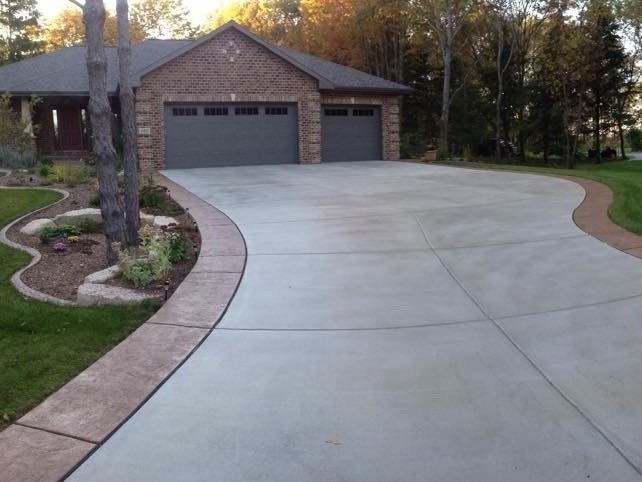
Modern concrete is also much more versatile than many homeowners realize. Beyond the traditional broom finish, today's options include decorative borders, stamped patterns, colored concrete, exposed aggregate finishes, and custom design elements.
The goal is not simply creating the most decorative driveway possible. The goal is creating a driveway that fits your property, performs reliably, and still looks great years after installation.
Planning Before the First Estimate
One of the biggest mistakes homeowners make happens before construction begins. They start collecting estimates before defining what they actually want from the project.
Taking time to evaluate your goals beforehand creates better conversations with contractors and helps ensure the finished driveway matches both your needs and your property.
Before requesting estimates, consider questions such as:
- Is your current driveway the right size?
- Do you need additional parking space?
- Are drainage issues affecting your current driveway?
- Would widening the driveway improve functionality?
- Are future landscaping or outdoor projects planned?
- Are you replacing an existing driveway or creating a completely new one?
These decisions influence the layout, grading, drainage requirements, and overall design approach of the project.
Experienced contractors do not begin by talking about concrete. They begin by evaluating the property. Drainage, existing grades, soil conditions, traffic patterns, and how the driveway connects with the rest of the landscape all influence the final result.
The Foundation Is the Real Project
Most homeowners naturally focus on what they will see once construction is complete. Contractors often focus on what will never be visible again.
Every successful driveway begins below the surface. Before concrete is ever placed, careful attention must be given to excavation, grading, drainage, and base preparation.
These steps create the stable foundation that supports the finished driveway for years. Settlement, uneven surfaces, standing water, and premature cracking often begin with issues underneath the concrete rather than with the concrete itself.
Learn more about why this process matters in our guide:
Why Ground Preparation Matters.
What Happens During a Professional Concrete Driveway Installation?
A quality driveway installation is a carefully planned process. While homeowners see the finished surface, experienced contractors understand that long-term performance depends on the preparation and decisions made before the concrete is poured.
Site Evaluation and Design
Every property presents different challenges. Slope, drainage, soil conditions, access, and existing landscaping all influence how the driveway should be designed.
Excavation and Base Preparation
Proper excavation removes unsuitable material and establishes the foundation needed for a stable driveway. A properly prepared base helps reduce movement and improves long-term performance.
Grading and Drainage
Water is one of the biggest factors affecting concrete performance. Proper grading directs water away from the surface and helps prevent pooling, erosion, and future problems.
Concrete Placement and Finishing
Once preparation is complete, concrete is placed, finished, and detailed according to the project requirements. Proper workmanship during this stage determines both appearance and durability.
Curing and Protection
The installation process does not end when the surface is finished. Proper curing allows concrete to develop strength and improves the driveway's long-term performance.
A concrete driveway should be viewed as a complete system. The preparation underneath, drainage around the property, and quality of installation all work together to determine how well it performs over time.
Designing a Driveway That Works With Your Home
The best driveway is not always the biggest driveway. It is the one that feels like it belongs with the property.
Thoughtful driveway design considers how the surface connects with walkways, landscaping, retaining walls, patios, and other outdoor living spaces.
Looking at the entire property instead of only the driveway often creates a more cohesive and valuable result.
If you are planning future outdoor improvements such as concrete pool patios, it is worth considering how those projects may connect during the planning stage.
Maintaining Your Concrete Driveway
Concrete is known for durability, but like any major investment, it benefits from proper care. Routine maintenance helps protect the surface from weather, stains, and everyday wear.
- Keep the surface clean from debris and chemicals.
- Address drainage issues quickly.
- Avoid unnecessary heavy loads.
- Monitor cracks or changes over time.
- Follow recommended sealing practices when appropriate.
Choosing the Right Concrete Contractor
The quality of your driveway depends heavily on who installs it. The lowest estimate does not always provide the best value.
A properly installed concrete driveway requires experience, attention to detail, and an understanding of how concrete performs in local conditions.
When comparing contractors, consider experience, previous projects, preparation methods, communication, and the overall approach to quality.
A great concrete driveway is not created on installation day. It is created through planning, preparation, and doing the small things correctly before the concrete is ever placed.
Looking Beyond Installation Day
It is easy to focus on what your driveway will look like when construction is complete, but the more important question is how it will perform ten or twenty years from now.
A properly designed and installed concrete driveway should continue performing through changing seasons, daily traffic, and years of use. Beautiful concrete matters, but durable concrete matters even more. The best results come when thoughtful design and proper installation work together.